Super Early
Deadline
December 22, 2026
Judging
Date
July 26, 2027
Winners
Announced
August 12, 2027
By Roxanne Langer, Co-Founder, LadySomm Carmel Wine School & Wine Salon
Independent wine retailers have never faced more competition. Consumers can purchase wine from supermarkets, warehouse clubs, online retailers, and direct from wineries, often at prices that local wine shops simply cannot match.
For today's independent wine merchant, success is no longer built solely on offering a carefully curated selection of wines. Increasingly, it depends on creating experiences that encourage customers to visit, learn, connect, and return.
At LadySomm Carmel Wine School & Wine Salon, we've found that building a community should be the primary goal. Sales naturally follow when customers feel connected to your shop, your team, and the experiences you create.
Modern consumers place enormous value on experiences. They want to discover something new, learn in a relaxed environment, and spend time with friends and like-minded people.
Wine naturally lends itself to this type of engagement. Every bottle carries a story—about the vineyard, the family, the winemaker and the region it comes from. Those stories create emotional connections that are difficult to replicate in a traditional retail setting.
When customers connect with the people behind a wine, they don't simply remember what they tasted. They remember how the experience made them feel, and that emotional connection often becomes the reason they return.
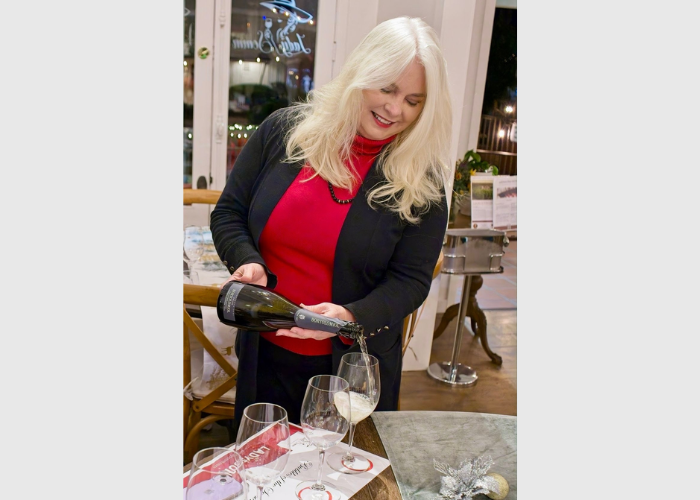
Image: Roxanne Langer, Co-Founder, LadySomm Carmel Wine School & Wine Salon
Independent retailers cannot realistically compete with large retailers on price or inventory alone. Their competitive advantage lies in expertise, hospitality, and personal relationships.
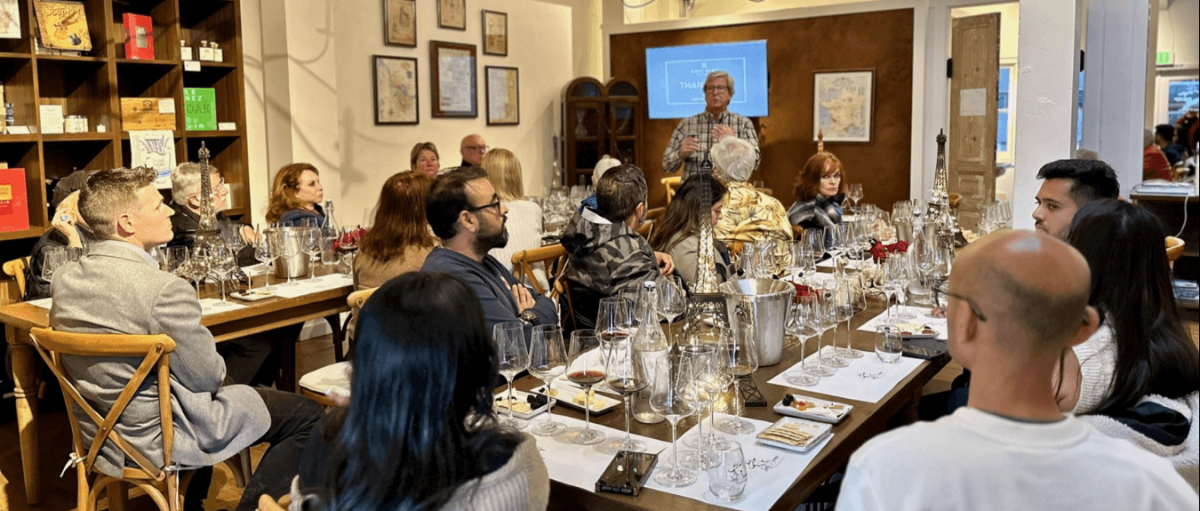
Hosting regular events transforms a wine shop from a place people visit occasionally into a destination they actively look forward to returning to.
Educational tastings, themed evenings, food pairing workshops, regional wine explorations, and winemaker dinners all encourage customers to spend more time in the shop while building confidence in purchasing wines they may never have considered before.
More importantly, these events create conversations between customers, staff, and producers, helping establish long-term loyalty that extends well beyond a single purchase.
Many retailers delay hosting events because they believe they need to organise elaborate dinners or large-scale tastings.
In reality, smaller events are often the most successful.
A themed tasting featuring four to six wines centred around a country, grape variety, or seasonal topic provides an approachable starting point. Keeping attendance manageable allows guests to ask questions, interact with one another, and enjoy a more personal experience.
For new event hosts, preparation is equally important. Adequate staffing for registration, wine service, and retail sales ensures guests enjoy a seamless experience. Wine distributors can also become valuable partners by helping pour wines and sharing the stories behind the producers they represent.
Rather than focusing on size, retailers should focus on consistency. A monthly event schedule gives customers something to anticipate and helps establish regular engagement throughout the year.
As confidence grows, retailers can expand their event calendar with experiences such as:
- Wine Around the World tastings
- Blind tasting competitions
- Food and wine pairing workshops
- Wine 101 educational classes
- Passport-style regional tastings
- Seasonal wine flights
- Winemaker meet-and-greets
- Wine trivia evenings
- Lifestyle workshops that incorporate wine, such as flower arranging or cooking demonstrations
Each event provides another opportunity to introduce new customers to the business while strengthening relationships with existing ones.
Education remains one of the strongest tools available to independent wine retailers.
Many consumers hesitate to purchase unfamiliar wines because they lack confidence in their choices. Guided tastings, approachable education, and storytelling remove that uncertainty.
When customers leave an event feeling more knowledgeable and comfortable discussing wine, they are far more likely to experiment with new regions, grape varieties, and premium bottles.
The result is increased customer satisfaction, stronger loyalty, and higher-value purchases over time.
Customers rarely remember every wine they tasted during an event.
They remember the story that made them laugh, the winemaker whose passion inspired them, the new friendships they formed, or the confidence they gained in selecting a bottle they might otherwise have overlooked.
These moments create emotional connections that no online retailer or supermarket can easily replicate.
At LadySomm, we welcome guests by name, tailor recommendations to their individual tastes, and create an environment where people gather not simply to buy wine, but to learn, celebrate, and become part of a community.
While an event may initially bring someone through the door, it is the relationship that keeps them coming back.
In today's increasingly competitive retail landscape, cultivating community is no longer simply good hospitality—it is one of the smartest business strategies an independent wine shop can adopt.
Also Read:
The American Wine Regions Challenging Napa’s Dominance
Wine or Something Else? Why the “Wine Alternatives” Debate Is Really About Identity
2026 USA Wine Ratings Winners Announced. Congratulations to all the winners!