Super Early
Deadline
December 22, 2026
Judging
Date
July 26, 2027
Winners
Announced
August 12, 2027
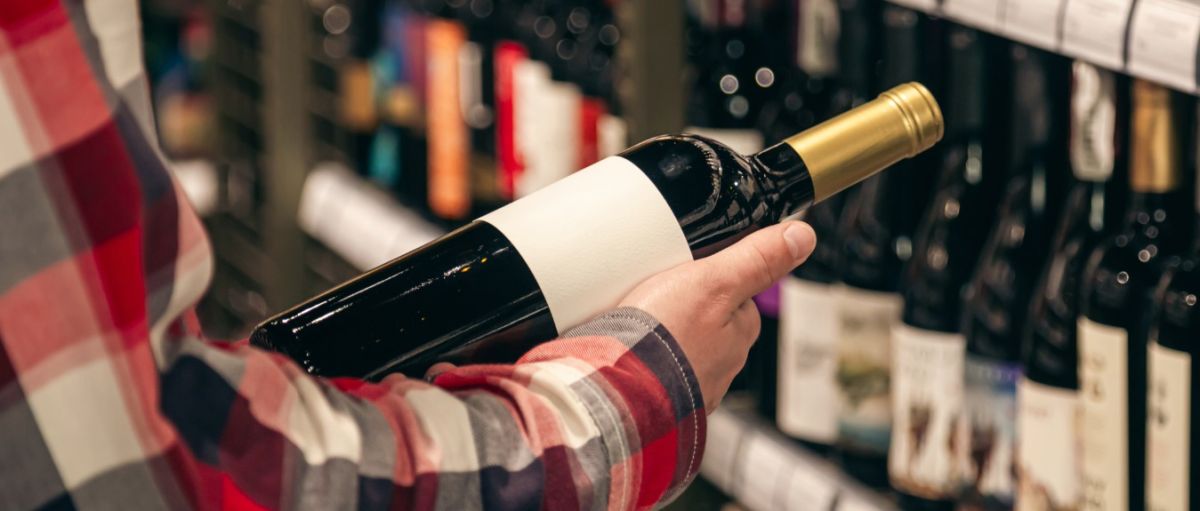
At its most basic level, wine is fermented grape juice. It is a simple definition, but one that conceals a vast amount of complexity. Vineyard decisions, farming practices, harvest timing, fermentation choices, ageing, and bottling all shape the final liquid in the glass. Wine is not just a result; it is a process. And it is precisely this process—slow, agricultural, and deeply place-driven—that gives wine its nuance, identity, and cultural weight.
This is where the current debate begins. As dealcoholised wines, fruit-based ferments, kombucha-derived blends, sparkling teas, and wine-inspired RTDs increasingly enter the same drinking occasions—and are often grouped together under the umbrella of “wine alternatives”—the industry is being forced to ask an uncomfortable question: is wine being challenged by these products, or is it being destabilised by its own need to remain culturally central?
Wine has long carried an image of elitism, shaped by centuries of tradition, ritual, and connoisseurship. For decades, this image functioned as a form of cultural capital. Today, it is increasingly a constraint.
Global wine consumption is declining, and younger consumers are often blamed for turning away from the category altogether. But this framing is misleading. Millennials and Gen Z are not rejecting wine as a concept; they are rejecting wine that feels inaccessible, overly codified, or indifferent to how they actually live and drink.
What is changing is not curiosity, but allegiance. Record enrolments in wine and spirits education suggest that interest remains high. Yet interest no longer guarantees loyalty. Younger consumers want to understand what they are drinking—but they want that understanding to feel relevant, flexible, and human, not hierarchical.
They want context over canon. Choice over obligation. And, increasingly, they want permission to move fluidly between alcoholic and non-alcoholic drinks without that decision being framed as abstention or compromise.
Wine alternatives have gained traction not because they mimic wine particularly well, but because they solve a problem wine has struggled to address—how to participate in modern drinking occasions without demanding exclusivity.
In leading restaurant cities such as Copenhagen, a striking shift is already underway. According to on-trade operators and producers working in the space, up to half of diners in some restaurants now choose non-alcoholic pairing menus over traditional wine pairings. Crucially, this is not driven by prohibition or health anxiety alone, but by a desire for pacing, balance, and flavour without consequence.
This is where dealcoholised wine has faced its most acute challenge. While non-alcoholic beer has largely overcome quality stigma, dealcoholised wine remains contentious—particularly among sommeliers. The process of removing alcohol often strips wine of texture, aromatic lift, and structural coherence. Many on-trade professionals quietly describe such wines as diminished versions of their former selves: technically compliant, but sensorially compromised.
This resistance has created space for a new category—not as a replacement for wine, but as a parallel system.
Wine alternatives are designed around function, not fidelity. They aim to fulfil the same roles as wine—aperitif, food pairing, table presence—without insisting on being wine-derived. Acidity, tannin, bitterness, and weight matter more than grape typicity. As a result, many producers are moving deliberately away from wine-adjacent language and instead building liquids from teas, verjus, botanicals, mixed fermentations, and culinary techniques borrowed from kitchens rather than cellars.
This distinction is critical. The most successful wine alternatives are not trying to impersonate wine; they are trying to replace the occasion wine once owned.
Wine’s current challenge is not technical. Quality has never been higher, nor diversity broader. The problem is communicative.
For generations, wine relied on the assumption that its cultural authority was self-evident. That terroir, tradition, and appellation were sufficient explanation. But authority without invitation now reads as distance. Heritage without translation feels exclusionary.
Wine alternatives, by contrast, have succeeded because they speak differently. Their language is contemporary, their branding design-led, their cues intuitive rather than instructional. They remove hierarchy from the interaction. You do not need to know what you don’t know in order to participate.
This does not make them superior liquids. But it does make them emotionally accessible, and that distinction matters more today than technical benchmarks alone.
The term “wine alternative” appears neutral, but it is loaded. It frames wine as the default reference point, positioning everything else as a deviation or substitute.
This framing raises a sharper question: why must emerging categories validate themselves through proximity to wine at all? Why is wine still treated as the gravitational centre, even as consumer behaviour becomes more pluralistic?
In pulling kombucha-based ferments, sparkling teas, gastronomic blends, and hybrid liquids into wine’s orbit, the industry risks two forms of erosion at once. It weakens wine’s boundaries while simultaneously denying new categories the autonomy to define their own value on their own terms.
Wine’s rigidity is often criticised, but it exists for a reason. Legal definitions, appellation systems, and production rules protect origin, quality, and economic value. They encode agriculture, geography, and time into the liquid.
Expanding the definition of wine is not a neutral act. It is not simply about inclusion or innovation. It is about dismantling a system whose authority depends on limits.
This is why the emergence of wine alternatives feels threatening—not because they replace wine, but because they expose the cost of wine’s inflexibility in a culture that increasingly resists fixed identities.
Lumping wine and wine alternatives together serves neither category well. Wine is defined by grapes, fermentation, and place. Many alternatives are not. That difference is not a flaw—it is a feature.
Wine’s strength lies in depth, heritage, and narrative continuity. Wine alternatives excel in adaptability, immediacy, and relevance to contemporary lifestyles. Their production methods are often closer to gastronomy than agriculture. Their success depends on flavour architecture rather than provenance.
Yet the future is unlikely to be cleanly divided. Already, winemakers are adding botanicals, spices, and alternative ingredients to dealcoholised wines to rebuild texture. At the same time, wine alternative producers are experimenting with grape-derived components such as verjus or even dealcoholised wine as part of broader blends.
The boundary is not collapsing—but it is becoming porous.
The real issue is not whether wine alternatives deserve the wine label. It is whether wine is prepared to relinquish its need to be the default cultural benchmark.
In some of Europe’s most progressive on-trade markets, drinks are already being categorised less by alcohol content and more by deliciousness, intent, and occasion. Alcoholic and non-alcoholic options increasingly sit side by side, priced equally, presented without moral hierarchy. The choice is no longer binary.
Wine does not need to abandon tradition. But it does need to reconsider how it relates to the modern drinker. Not by expanding its definition, but by evolving its dialogue.
Because if wine insists on being culturally central while remaining emotionally distant, it risks becoming admired rather than chosen. And that—not innovation, not alternatives—is the quiet identity crisis the category can no longer afford to ignore
2026 USA Wine Ratings Winners Announced. Congratulations to all the winners!