Super Early
Deadline
December 22, 2026
Judging
Date
July 26, 2027
Winners
Announced
August 12, 2027

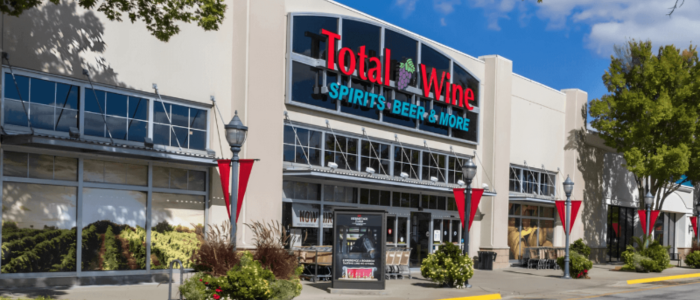
Getting listed in a major retailer is only half the battle. The real challenge is driving sell-through once a product reaches the shelf. In this interview with Tim Tidgewell, Cicerone® Certified Beer Server and Spirits Manager at Total Wine & More – Store 1103, we explore how wine and spirits brands can better support retail teams through education, training, tastings, storytelling, and supplier partnerships. Learn what actually helps retail staff recommend products with confidence and what suppliers can do to turn shelf space into sustained sales growth.
Retail staff often play a major role in influencing purchasing decisions, especially in stores where consumers are faced with hundreds of choices. Through this interview, Tim Tidgewell, Cicerone® Certified Beer Server and Spirits Manager at Total Wine & More – Store 1103, shares practical insights on what suppliers can do to better support retail associates, improve customer engagement, and ultimately drive stronger sell-through at retail.
Brands that move quickly create more than product awareness. They connect technical quality with a clear story or experience that allows customers to envision when, where, and why they would choose that product. Product facts support the story, but memorable positioning is what gives retail teams confidence to recommend it and customers a reason to buy.
Retail staff recommendations have significant influence, especially in categories where customers are overwhelmed by choice. Associates who connect product knowledge to customer needs through storytelling, occasion-based selling, and personal experience build trust. This directly impacts both initial purchase and long-term loyalty.
Supplier education is most effective when it is practical, engaging, and easy to apply on the sales floor. Training that highlights key differentiators, tasting cues, ideal customer profiles, and clear selling points equips associates to confidently recommend products and convert interest into sales.
The most effective support is consistent, practical, and easy to retain:
- Short, focused training and tasting sessions
- Simple, accessible selling tools and reference materials
- Continued engagement after launch
Retail associates remember experiences far more than presentations.
Common missteps include overloading associates with technical details, treating training as a one-time event, and making messaging too complex. Simplicity, consistency, and clear customer relevance are what drive sales.
They are extremely important. Tasting builds product understanding and confidence, while in-person interaction strengthens engagement, improves recall, and helps associates communicate authenticity to customers.
The most effective stories are authentic, relevant, and easy to retell. Depending on the consumer, themes such as enjoyment, craftsmanship, innovation, transparency, quality, and value all resonate. The strongest brands communicate those ideas in a way that feels approachable and meaningful.
- Create opportunities for sampling and product discovery
- Maintain consistent staff education, follow-up, and brand visibility
- Stay focused on a clearly defined target consumer and local market
Smaller brands that execute consistently can often outperform at the local level.
The best result came from a layered activation strategy rather than a single touchpoint. A combination of supplier education that was technical and in-depth, internal staff training that focused on taste, customer experience, and the “why” behind the product, followed by customer-facing engagement through in-store tastings and participation in store events. When education moves from supplier → associate → customer, it creates stronger product knowledge, better storytelling, and ultimately higher sell-through.
Supplier-retailer partnerships will become increasingly education and experience-driven, with greater use of shopper insights, targeted training, and in-store engagement. The brands that succeed will be those that create value for both retail teams and consumers while making the path to purchase more engaging and memorable.
Also Read:
The American Wine Regions Challenging Napa’s Dominance
How USA Wine Ratings Helps Wineries Reach U.S. Retail Buyers
How To Pitch Your Wines, Beers, and Spirits To National Chains
2026 USA Wine Ratings Winners Announced. Congratulations to all the winners!