Super Early
Deadline
December 22, 2026
Judging
Date
July 26, 2027
Winners
Announced
August 12, 2027
The U.S. wine market does not have one kind of retail buyer. A national beverage chain may look for a wine it can sell across many stores. A supermarket needs a bottle that makes sense alongside the weekly grocery shop. A fine-wine merchant may be willing to introduce an unfamiliar producer if the story, quality, and allocation are compelling.
That variety is what makes the market attractive—and difficult to navigate. The 50 businesses below represent major routes to the U.S. consumer. They include dedicated wine and spirits retailers, grocery and club chains with substantial wine programs, and influential online and independent merchants.
This is an editorial guide, not a verified ranking of wine revenue. Most retailers do not publish comparable wine-only sales figures, so the numbers identify companies to explore rather than their exact positions by wine sales.
Total Wine & More is a natural starting point for any discussion of U.S. wine retail. Its superstore model gives shoppers a broad choice of regions, grapes, styles and price points. For producers, that scale offers considerable potential, but it also means a wine must communicate its value clearly in a crowded assortment.
Costco brings wine to a large membership audience through a deliberately selective range. A place in that range can generate significant volume, while the retailer’s Kirkland Signature wines show the strength of its own-brand approach. Producers considering club retail need to think carefully about supply, price and the role their bottle plays in a compact selection.
Sam’s Club is another important warehouse-club route to consumers. Its wine offer sits within a broader value proposition: shoppers expect a worthwhile purchase in a convenient format. That makes recognizable styles, clear pricing, and reliable availability especially relevant.
BJ’s serves members through a warehouse model with a strong presence in the eastern United States. For wineries, it represents an opportunity to reach shoppers who may be buying wine alongside food, household goods, and products for entertaining.
BevMo! is a familiar beverage-retail name, particularly in western markets. Its stores and digital ordering options put wine alongside beer, spirits, and ready-to-drink products. A brand seeking space here needs to understand how it stands out across the wider drinks occasion.
Florida-based ABC Fine Wine & Spirits is a major regional retailer with wine as a core part of its offer. Its market concentration makes it particularly relevant for brands that want meaningful distribution in Florida rather than a scattered presence across the country.
Binny’s is one of the most prominent beverage retailers in Illinois. It combines broad selection with the ability to serve both everyday shoppers and enthusiasts looking for particular regions or producers. For wineries, it is an important account in the Chicago market and beyond.
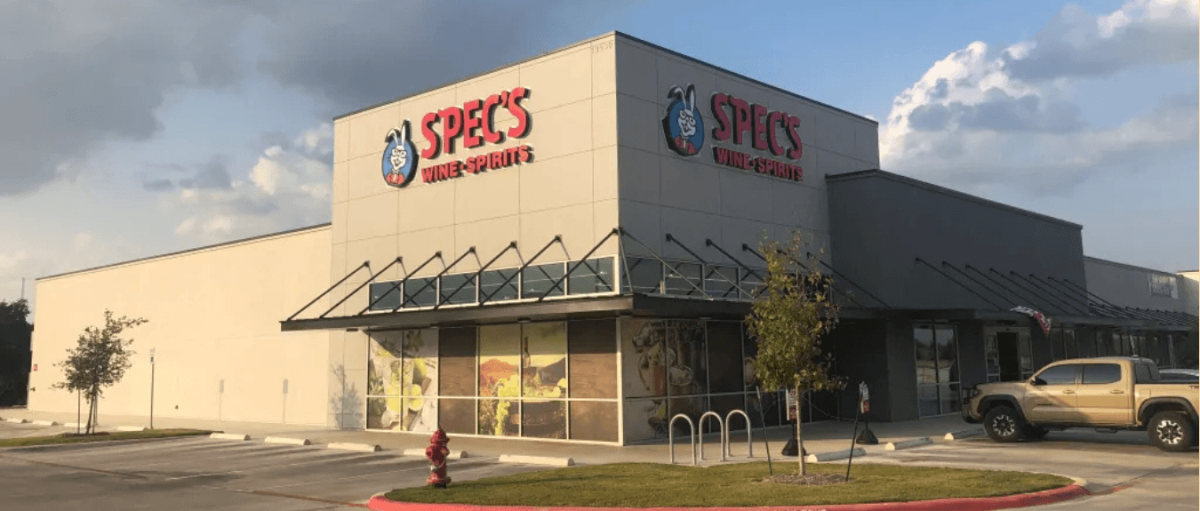
Spec’s has a substantial presence in Texas, where wine brands can encounter a wide range of consumer preferences and price points. Its combination of beverage retail and food makes it relevant to both everyday wine purchases and wines bought for meals and occasions.
Pennsylvania’s Fine Wine & Good Spirits stores operate within the state’s controlled retail system. For suppliers, Pennsylvania requires a different route to market from many privately operated retail states. Understanding that structure is essential before approaching the opportunity.
Virginia ABC is another major state-operated beverage retailer. Although its business is chiefly associated with spirits, its place in the wider beverage retail landscape makes it important for brands planning distribution and consumer outreach in Virginia.
New Hampshire’s state-run outlets are a significant destination for wine shoppers, including customers from neighboring states. Their scale and pricing reputation make them a distinctive part of the Northeast retail landscape.
Bottle King is a longstanding New Jersey retailer serving shoppers across wine, spirits, and beer. Its regional focus gives producers a route into an important, densely populated market where selection and price comparison matter.
Gary’s Wine & Marketplace combines wine retail with food and gifting. That setting can help a producer present its wine as part of a meal, celebration or gift, rather than as a bottle considered only by grape and price.
For brands researching routes to market, names can be deceptive: Wine Warehouse is a distributor rather than a consumer retailer. It belongs in a U.S. sales plan, but on the wholesale side of the conversation. Producers should distinguish the companies that buy for shelves from those that supply those shelves.
Grocery chains deserve a central place in any account of U.S. wine retail. The National Retail Federation’s 2026 list shows the enormous overall scale of companies such as Costco and Kroger, though total retail sales should not be read as wine sales. NRF
Kroger reaches wine shoppers through a large family of supermarket banners. A producer’s opportunity may depend on the particular division, market, and store format, so a national name does not necessarily mean a single buying conversation.
Albertsons operates a range of grocery banners across the United States. Its wine shelves can serve very different neighborhoods and shopping missions, from a dependable dinner bottle to a more considered purchase for the weekend.
Publix is an important grocery retailer across the Southeast. For wine brands, its relevance lies in the frequency of the supermarket visit: a well-positioned bottle can become part of a customer’s regular food shopping routine.
Texas-based H-E-B has a strong relationship with its shoppers and a significant role in the state’s grocery market. Wines pitched to this channel need to make sense for local customers, occasions, and price expectations.
Trader Joe’s has built a distinctive wine identity around discovery and value. Its shelves can give lesser-known regions and styles an accessible introduction to U.S. consumers, while its private-label approach makes it a different proposition from a conventional branded listing.
Whole Foods Market offers access to shoppers interested in food, provenance, and product discovery. For some wine brands, the connection between farming, place and the bottle’s story may be especially useful in explaining why it belongs on the shelf.
Walmart’s reach makes it impossible to ignore in a discussion of American retail. Wine availability varies with local laws and store location, but the chain represents an important mass-market channel where price, recognition, and consistent supply can carry substantial weight.
Target offers wine in eligible stores as part of a broader shopping trip. Packaging and an easy-to-understand proposition can be particularly important when consumers are choosing quickly among wines, food and products for an occasion.
Aldi’s focused assortment gives each listed product a clear job to do. Wine producers considering this channel should understand the importance of value, consistent execution and the retailer’s own-label model.
Lidl also brings a selective, value-oriented approach to wine. Its range can encourage shoppers to try wines they might overlook elsewhere when the shelf message makes the style and value immediately understandable.
Wegmans is known for a food-led shopping experience and an engaged customer base. Where wine is sold, the opportunity for producers is closely tied to meals, entertaining, and recommendations that help customers navigate the range.
Meijer combines grocery and general merchandise across its Midwestern footprint. Its wine offer gives brands another route to shoppers making practical, often occasion-led purchases.
Hy-Vee is a significant regional grocery name in the Midwest. For wine suppliers, regional chains like Hy-Vee can be valuable accounts in their own right, particularly when a brand’s style and price match the customers they serve.
Giant Eagle serves shoppers across parts of the Midwest and Mid-Atlantic. Wine programs differ by market and local regulation, making store-level and state-level research an important part of any pitch.
Safeway remains a widely recognized grocery banner within Albertsons Companies. It is listed separately here because a producer researching retail opportunities will often encounter the banner at store level, even while broader corporate decisions sit with its parent company.
Harris Teeter, part of Kroger, has a strong presence in the southeastern and Mid-Atlantic markets. Its stores can provide a different customer setting from other Kroger banners, which is why producers should look beyond the parent-company name.
Fred Meyer is another Kroger banner, combining groceries with a wider retail offer. In markets where it sells wine, the format puts bottles in front of shoppers making both routine and occasion purchases.
Ralphs is a familiar Southern California grocery banner within Kroger. For brands targeting that market, understanding the banner’s customers and competing wines can be more useful than relying on a generic national grocery pitch.
Online merchants and specialist stores often do more than sell a bottle. They explain it, compare it with alternatives and introduce consumers to producers they have not met before. Wine.com presents shoppers with thousands of wines, expert assistance and wine ratings, while K&L Wine Merchants describes a business built around merchant buying and both online and store sales. wine.com
Wine.com is a leading name in online wine shopping. Its large selection allows consumers to search by region, grape, rating, and occasion, making product information and a clear digital presentation vital for any listed brand.
K&L Wine Merchants has built its reputation on buying expertise, specialist selection and detailed product descriptions. It operates physical stores as well as an extensive online business, making it influential with customers looking for both everyday discoveries and collectible bottles.
Zachys is closely associated with fine wine, sought-after producers, and collectors. Its customers may be looking for provenance, vintages, and access to wines that are difficult to find in a conventional retail setting.
Wine Library blends a large wine selection with an accessible, content-driven approach to selling. It is a useful example of how a merchant can turn education and recommendations into reasons for customers to explore unfamiliar bottles.
Astor Wines & Spirits is a prominent New York merchant serving customers with a broad and often adventurous selection. For producers, shops of this kind can be valuable partners when a wine benefits from a knowledgeable staff recommendation.
Sherry-Lehmann is a historic name in American fine wine. Any current commercial approach to a merchant should begin with fresh due diligence on its operating and buying status; a well-known name alone is not evidence of an active account.
Wine Access uses editorial selection and storytelling to introduce customers to bottles chosen by its team. That model can work particularly well when a wine has a persuasive reason to be discovered now.
Firstleaf approaches wine retail through personalization and a direct relationship with customers. It reflects a different path to repeat purchase: matching wines to preferences and learning from what members enjoy.
WTSO is associated with online wine offers that encourage customers to act on a particular deal. For brands, this kind of channel calls for a clear view of promotional pricing and how an offer fits their wider market position.
Last Bottle has built an audience around time-sensitive wine offers. It illustrates the power of an engaged customer list when a merchant can explain the appeal of a specific wine in a concise, compelling way.
Buy Rite Wine & Liquor is a New Jersey beverage retail network offering a broad selection of wines, spirits and beers through its Buy Rite and Super Buy Rite stores. Its locations cater to a range of tastes and budgets, with selections spanning everyday favourites, fine wines, premium spirits and craft beers. Knowledgeable store teams help customers explore new products and choose drinks for personal enjoyment, entertaining and special occasions.
JJ Buckley serves customers interested in fine wines and notable producers from around the world. For wineries working at the premium end, merchants like this can help build credibility with engaged buyers.
Flatiron Wines & Spirits has developed a following for its curated range and knowledgeable approach. A specialist retailer can give a distinctive wine context that a larger shelf may not provide.
Chambers Street Wines is known for a carefully chosen selection that appeals to curious drinkers and wine enthusiasts. Merchants of this kind can be important early advocates for producers whose wines need explanation and hand-selling.
Los Angeles-based The Wine House is a significant independent merchant with a broad offer and a role in wine education. It shows how a specialist shop can connect selection, staff knowledge and an established local audience.
Hi-Time Wine Cellars is a longstanding California retailer with an extensive wine and spirits range. Its breadth makes it relevant to producers across styles and price points, while its independent identity offers a different route from a national chain.
Saratoga Wine Exchange is an online-focused merchant with a wide selection. Its model shows how digital search, availability, and competitive presentation shape the way customers discover wine beyond their local store.
WineBid specializes in wine auctions and the resale market. It is a different kind of merchant from a first-placement retail account, but it matters to producers and collectors interested in how established wines circulate after their initial sale.
A strong retail strategy starts with understanding how buyers assess a wine for their shelves. USA Wine Ratings is the wine competition built for the U.S. retail market. Every wine is evaluated on quality, value, and packaging by U.S. trade buyers alongside a Master of Wine on each judging panel.
Enter your wines to receive detailed feedback on every submission and see how your bottles perform against the criteria that matter at retail. A medal can give your sales team an additional reason to start a conversation with prospective buyers.
Also Read:
How USA Wine Ratings Helps Wineries Reach U.S. Retail Buyers
How To Pitch Your Wines, Beers, and Spirits To National Chains
Inside Total Wine & More: How Brands Can Support & Train Retail Staff to Grow Sell-Through
2026 USA Wine Ratings Winners Announced. Congratulations to all the winners!