Super Early
Deadline
December 22, 2026
Judging
Date
July 26, 2027
Winners
Announced
August 12, 2027
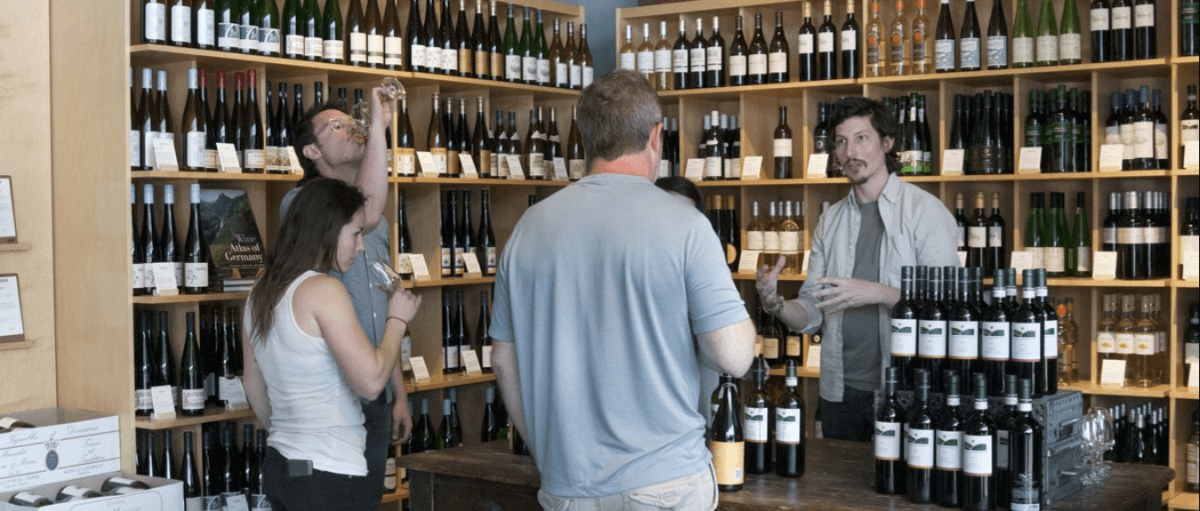
Buying wine has never offered more choice, but more choice doesn't always make it easier. American shelves now bring together Napa Cabernet, Finger Lakes Riesling, Oregon Pinot Noir, Washington Syrah, Texas Tempranillo, and wines from emerging regions such as Arizona alongside bottles from virtually every major wine-producing country in the world. This is where a good independent wine shop earns its place. The best merchants do more than organize bottles by grape or country. They taste, select, and explain. They can point a customer toward a small family producer, recommend a bottle for dinner at a specific price point, or introduce a wine region that rarely appears on supermarket shelves.
From neighborhood specialists to destination merchants, these wine shops offer some of the most interesting places to discover what America, and the wider wine world, is drinking.
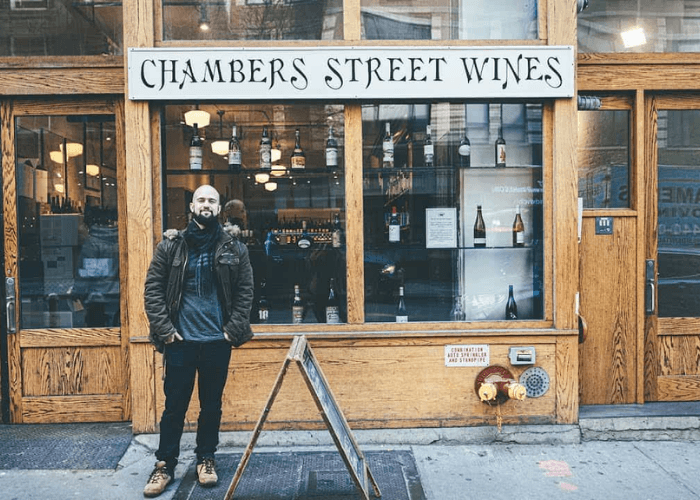
Source: Life Nomading
Chambers Street Wines | New York City
In Lower Manhattan, Chambers Street Wines has long appealed to drinkers who prefer terroir-driven, grower-focused wines over shelves dominated by mass-market labels. Its strength lies in distinctive producers from regions such as the Loire, Burgundy, Piedmont, and Germany, alongside American wines. New York shoppers should also look north to the Finger Lakes, where Riesling and Cabernet Franc have helped establish one of the country’s most recognizable cool-climate wine regions. Producers such as Hermann J. Wiemer Vineyard and Ravines Wine Cellars are useful names to know.
The Wine Bottega | Boston
Boston’s The Wine Bottega is built around small-production wines, particularly bottles made with organic, biodynamic, or minimal-intervention farming and winemaking practices. Its focused approach makes it a useful shop for customers who would rather discover an unfamiliar grower than browse hundreds of near-identical labels. Massachusetts has a modest but interesting wine industry of its own, including Westport Rivers Vineyard & Winery, known particularly for traditional-method sparkling wines made in the state’s coastal climate.
Moore Brothers Wine Company | Philadelphia
Moore Brothers Wine Company takes a producer-first approach, working with small, family-run wineries and paying close attention to how wine is transported and stored. That makes the shop particularly valuable for customers who care about provenance as much as famous appellations. Pennsylvania adds a local dimension through producers working with varieties including Cabernet Franc, Chardonnay, and Riesling, while wineries such as Va La Vineyards demonstrate that serious regional wine extends well beyond the better-known West Coast states.
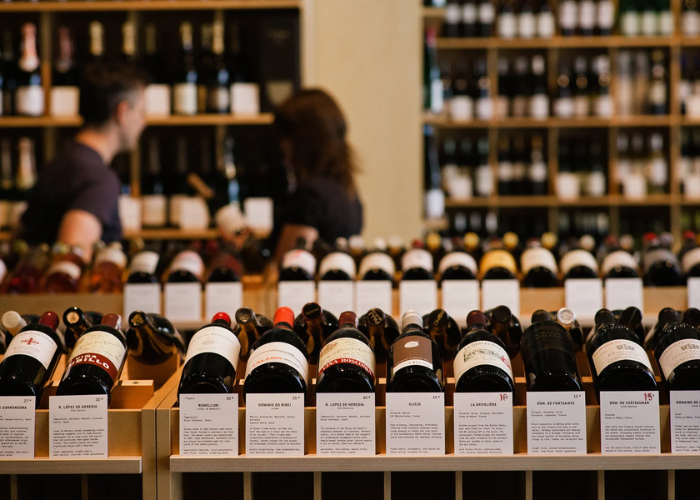
Source: Woodland Wine Merchant
Woodland Wine Merchant | Nashville
Woodland Wine Merchant brings a tightly edited wine selection to Nashville, emphasizing bottles with a clear sense of place and producers that may sit outside mainstream retail. Instead of overwhelming customers with thousands of choices, the merchant’s appeal is its point of view. Tennessee is not one of America’s largest wine-producing states, but the wider Appalachian region offers an increasingly interesting backdrop for drinkers looking beyond traditional California, European, and Southern Hemisphere selections.
Perrine’s Wine Shop | Atlanta
Founded by Burgundy-raised sommelier Perrine Prieur Gallardo, Perrine’s Wine Shop has developed into one of Atlanta’s notable boutique wine retailers. Its shelves span Old and New World regions, with particular attention to smaller producers and organic and biodynamic wines. The company says its Westside store carries more than 700 selections, supported by tastings and rotating discoveries. Georgia drinkers can also explore wines from the North Georgia mountains, where elevation creates opportunities for varieties such as Cabernet Franc, Chardonnay and Viognier.
Graft Wine Shop | Charleston
Charleston’s Graft Wine Shop combines bottle retail with the sociability of a neighborhood wine bar. Created by two longtime friends, it has built its identity around wine, community, and music rather than formality. Its approach fits Charleston particularly well: this is a city where an ambitious restaurant culture creates demand for wines that work at the table, from grower Champagne and bright coastal whites to lighter reds and lesser-known European regions.
Source: Fall Creek Vineyards
The Austin Wine Merchant | Austin
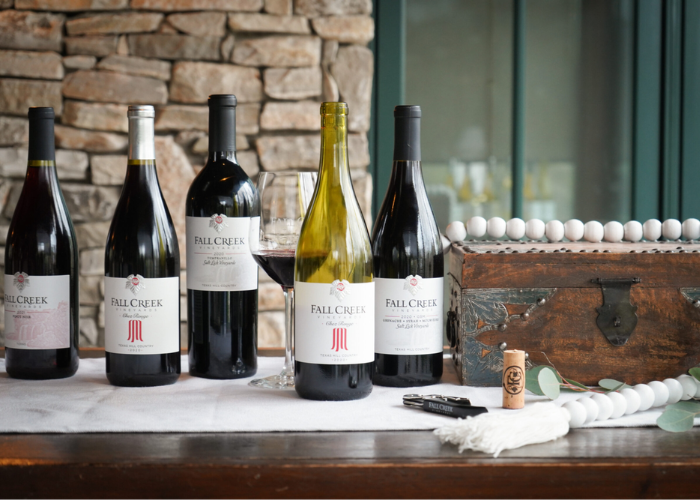
The Austin Wine Merchant has long provided the city with a serious, traditional wine-store experience, covering important European regions while also giving shelf space to Texas producers. Its Texas selections have included wineries such as Fall Creek Vineyards and Lewis Wines. The local connection matters because the Texas wine industry has become increasingly confident with grapes suited to warmer conditions, including Tempranillo, Mourvèdre, Sangiovese, and Viognier, particularly in the Texas High Plains and Hill Country.
Bacchanal Fine Wine | New Orleans
Bacchanal Fine Wine has evolved into much more than a bottle shop, but wine remains central to its identity. Its extensive selection, knowledgeable staff, and famous courtyard make it one of New Orleans’ most approachable places to discover a bottle and enjoy it in context with food and live music. Louisiana may be better known for cocktails than vineyards, but New Orleans proves that a strong wine culture does not require a major wine region on the doorstep.
Source: Cellar Rat Wine Merchants
Cellar Rat Wine Merchants | Kansas City
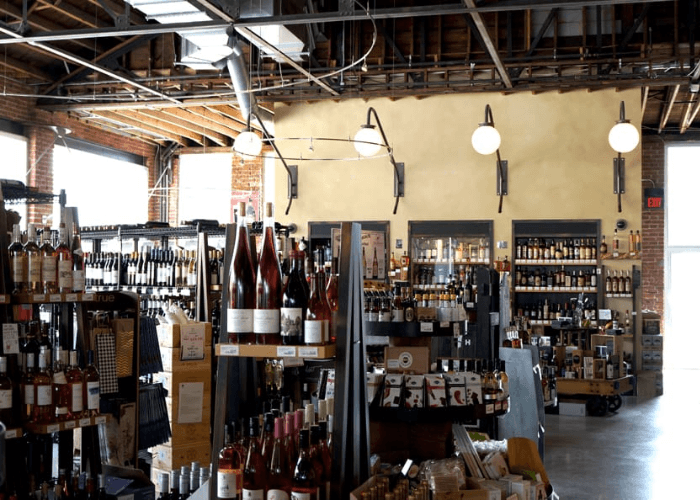
Located in Kansas City’s Crossroads Arts District, Cellar Rat Wine Merchants combines a large wine selection with tastings, wine clubs, and staff guidance. Visit KC highlights the shop as one of the city’s key wine retailers, while Kansas City Magazine named it Best Wine Shop in its 2024 readers’ awards. Missouri brings important regional history to the shelf too, particularly through Norton, the state grape, and established wine areas around Augusta and Hermann.
Perman Wine Selections | Chicago
At Perman Wine Selections, curation is the point. Founder Craig Perman has spoken about “hand selling,” where a merchant introduces customers to wines that express the shop’s own perspective rather than simply stocking what is easiest to sell. That philosophy makes the store well-suited to curious drinkers interested in grower Champagne, European estates, and bottles from regions or grapes that may need a little explanation before they find their audience.
Solo Vino | St. Paul, Minneapolis
Solo Vino has helped make wine approachable in the Twin Cities through a selection focused on character, value, and discovery. Minnesota also provides one of the article’s most distinctive regional stories. Cold-hardy grape varieties developed for northern climates have allowed growers to produce wines in conditions that would challenge traditional European grapes. Marquette, Frontenac and La Crescent give local drinkers an opportunity to explore wines that genuinely reflect the Upper Midwest rather than imitate California.
Source: The Eyrie Vineyards
Division Wines | Portland
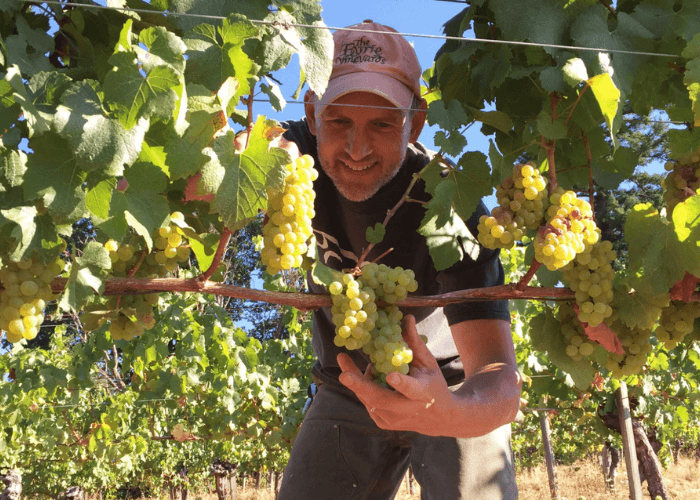
Part wine shop and part wine bar, Division Wines gives Portland drinkers access to more than 800 bottles from Oregon and around the world. Its location makes Oregon wine impossible to ignore. The nearby Willamette Valley has built an international reputation around Pinot Noir, but Chardonnay, sparkling wine, and Gamay increasingly broaden the conversation. Producers such as The Eyrie Vineyards and Cristom Vineyards show how Oregon’s cool climate has evolved far beyond a single grape variety.
Flatiron Wines & Spirits | San Francisco
Although its name includes spirits, Flatiron’s San Francisco location is first and foremost a serious fine-wine destination, with a large international selection, tasting space, and dedicated rare-wine room. Its shelves range from grower Champagne and Burgundy to organic and small-production wines. California needs little introduction here: Napa Valley, Sonoma County, Mendocino and the Santa Cruz Mountains give Bay Area shoppers direct access to one of the deepest wine landscapes in the country.
Silverlake Wine | Los Angeles
Silverlake Wine has become a fixture of Los Angeles wine retail by making thoughtful bottles feel accessible rather than intimidating. The store’s location also puts it within reach of one of California’s most dynamic wine conversations. South of the Central Coast’s major vineyard areas, Los Angeles consumers have easy access to wines from Santa Barbara County, Sta. Rita Hills and Santa Ynez Valley, where Pinot Noir, Chardonnay, and Rhône varieties such as Syrah have developed strong identities.
Vino Carta | San Diego
In Little Italy, Vino Carta combines a wine shop and bar with an emphasis on small, family-run producers and wines made through organic and sustainable farming. San Diego occupies an interesting position geographically. Shoppers can explore California wines while also looking south toward Valle de Guadalupe in Baja California, one of Mexico’s most dynamic wine regions, giving the city a cross-border wine perspective few American markets can replicate.
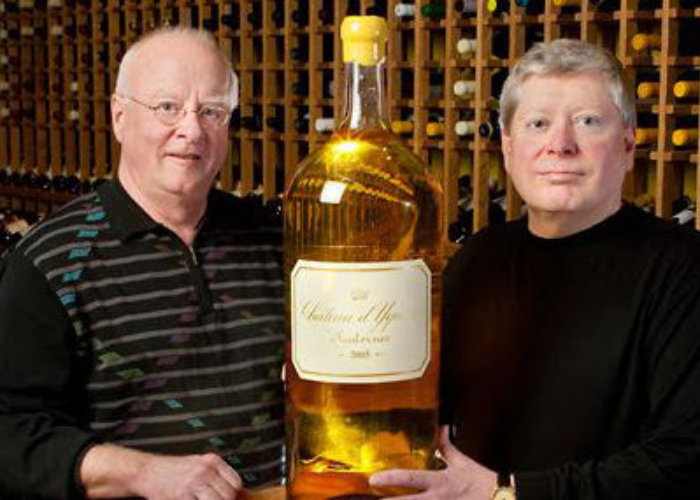
Founding partners Dan McCarthy and Jay Schiering. Source: McCarthy & Schiering
McCarthy & Schiering | Seattle
Founded in 1980, McCarthy & Schiering has spent decades introducing Seattle customers to both collectible wines and bottles designed for everyday meals. Its selection includes wines from Washington and Oregon alongside small estates from France, Italy, Germany and Austria. Washington provides plenty of local material, with Cabernet Sauvignon, Syrah, Merlot and Riesling thriving across areas such as Columbia Valley, Yakima Valley and Walla Walla Valley.
Mondo Vino | Denver
Denver’s Mondo Vino has long served customers looking for a more specialized alternative to large-format wine retail. Colorado adds a surprisingly strong local dimension. Vineyards around the Grand Valley and West Elks benefit from elevation and dramatic temperature shifts, and producers have experimented successfully with Riesling, Cabernet Franc, Syrah, and other varieties. For Denver shoppers, a locally grown Colorado wine can sit alongside bottles from the Alps, Andes, or California and invite a completely different comparison.
Hidden Track Bottle Shop | Phoenix
Hidden Track Bottle Shop represents the more exploratory side of Phoenix wine culture, with a focus on bottles chosen for personality rather than brand recognition. Arizona itself has become increasingly important to the conversation around emerging American wine regions. Willcox, Sonoita, and the Verde Valley have shown particular promise, while producers such as Callaghan Vineyards and Dos Cabezas WineWorks have helped demonstrate what high-elevation desert viticulture can achieve.
The strongest independent wine shops sit at the meeting point between discovery and commercial reality. They give drinkers a way to move beyond familiar labels and understand why a Finger Lakes Riesling, Texas Tempranillo, Missouri Norton, Oregon Chardonnay, or high-elevation Arizona wine deserves attention. For wineries, earning that recommendation requires more than good liquid. A bottle has to deliver quality, make sense at its price, and communicate clearly enough to stand out on a crowded shelf. As America’s wine landscape becomes broader and more regional, knowledgeable merchants will remain essential to connecting distinctive producers with curious consumers. The best wine shops do not simply sell what people already recognize. They give drinkers confidence to explore unfamiliar grapes, regions, and producers, turning a crowded retail shelf into a place of discovery and helping distinctive wines find the audience they deserve.
Header image source: On The Grid
Also Read:
The Largest U.S. Wine Retailers and Merchants
Know Your Judge: Hannah Ermisch on Finding Wines That Deliver Value
How Independent Wine Shops Are Turning Events Into Loyal Customers
2026 USA Wine Ratings Winners Announced. Congratulations to all the winners!